


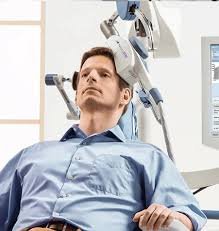
Depression affects many people, but finding effective relief is possible through alternative treatments. Because standard medications can be ineffective, medical professionals may recommend transcranial magnetic stimulation (TMS) for better clinical outcomes. TMS therapy uses magnetic fields to activate specific nerve cells within the brain’s prefrontal cortex. Here is more information about the benefits of the treatment for chronic depression:
Stimulates Underactive Brain Cells
Depression may be linked to reduced activity in specific brain regions, such as the prefrontal cortex. The TMS machine sends magnetic pulses into the cranium, and these pulses reactivate dormant cells. When nerve cells are repeatedly stimulated, the brain’s neuroplasticity may improve significantly throughout the treatment course.
Because the coil rests on the scalp, the magnetic energy is directed directly at the brain. This precise placement avoids affecting unrelated areas of the body or the brain’s other functions. The pulses travel through the skull, but the patient feels only a slight tapping sensation. While the mechanism is complex, the resulting stimulation aims to safely restore normal brain activity levels.
Improves Mood
Depression affects your mental state, but mood stabilization is a primary goal of TMS therapy. Emotional regulation can improve for many individuals over time. While individual experiences vary by severity, a better mood supports daily interactions with family. Patients may feel positive and engage more fully in their social lives and hobbies.
Reduces Depression Symptoms
Medication does not work for everyone, so other options become necessary for recovery and stability. Patients may experience persistent sadness or a complete loss of interest in their daily activities. Since TMS addresses these symptoms biologically, it offers a different pathway to symptom reduction and relief. The treatment targets the root cause, and it alleviates the heaviness associated with chronic depression.
Individuals seek relief from severe sleep disturbances caused by their underlying mental health condition. If fatigue disrupts daily functioning, finding a solution is a top priority for the patient’s health. TMS therapy aims to restore sleeping patterns, and it helps regulate the body’s internal clock. Better sleep may improve overall health by allowing the body to rest and recover properly.
Although appetite changes accompany depression, concentration suffers as well during the work or school day. These symptoms negatively impact quality of life, but physicians monitor these changes throughout the course. The treatment protocol is rigorous and structured.
Avoids Anesthesia
TMS therapy requires no sedation or general anesthesia for the procedure to work effectively. Because you remain awake, you can drive yourself home immediately after the appointment ends without assistance. You typically sit in a comfortable chair, and the doctor performs the procedure in the office. The sessions last minutes, allowing you to fit treatment into a busy schedule.
Benefits of avoiding anesthesia include:
- Lack of grogginess after treatment
- Ability to return to work immediately
- Risk reduction
- Return to daily routine
Schedule TMS Therapy Today
If you struggle with chronic depression, there are resources available for support. Reach out for help today, and a psychiatrist can answer your questions about the procedure. Contact a clinic to discuss your specific needs. Because they offer consultations, you learn if TMS fits your health goals effectively.



Leave a Reply