


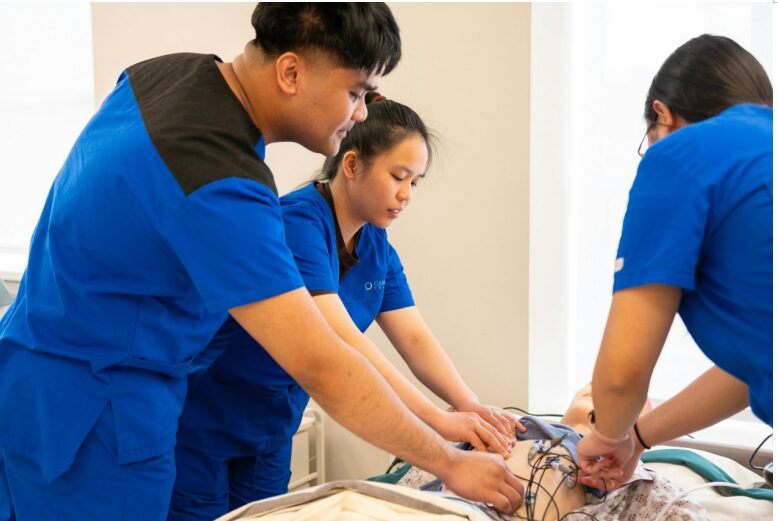
Modern healthcare depends on professionals who can adapt, think critically, and respond with confidence. Patient care today involves complex systems, evolving standards, and higher expectations for safety and quality. As responsibilities increase, staying current becomes essential. Continued education plays a major role in helping care providers deliver accurate, effective, and reliable support across a wide range of healthcare settings.
Learning beyond initial training strengthens both skill and judgment. When nursing professionals continue to develop their knowledge, they are better prepared to handle change, communicate clearly, and apply best practices. Ongoing education supports safer care by reinforcing decision-making, encouraging accountability, and promoting consistent standards. These benefits directly impact patient outcomes and the overall effectiveness of healthcare delivery.
The Evolving Role of Nurses in Healthcare
The responsibilities of nurses have grown steadily over time. In addition to direct patient care, they now play a key role in coordination, education, and support across healthcare teams. These expanded duties require strong problem-solving skills and up-to-date knowledge. Continued learning helps professionals manage these responsibilities with confidence. As care environments become more complex, education supports adaptability and ensures professionals can meet patient needs safely and effectively.
Expanding Skills Through Advanced Nursing Pathways
Career advancement often requires a deeper understanding and broader skills. Advanced learning pathways help nursing professionals build leadership abilities, improve patient-centered care, and strengthen clinical knowledge. These pathways are designed to build on experience while preparing individuals for expanded roles within healthcare organizations.
Pathways such as RN BSN online nursing programs make continued education more accessible. These programs focus on leadership development, evidence-based practice, and community-focused care. The flexibility of these pathways allows registered nurses to continue working while expanding their skills, supporting both career growth and improved healthcare outcomes.
Improving Patient Safety Through Evidence-Based Practice
Patient safety improves when care decisions are based on reliable research rather than habit or assumption. Continued education helps professionals learn how to review studies, understand updated guidelines, and apply proven methods in daily care. This approach reduces the use of outdated practices and supports more consistent treatment. When evidence-based methods are followed, the risk of errors decreases and patient outcomes improve. Ongoing learning also reinforces safe routines and accountability. As a result, professionals are better equipped to make informed choices that protect patients and support high standards of care.
Enhancing Communication and Teamwork
Clear communication is essential for effective care delivery. Continued education helps professionals strengthen the skills needed to share information clearly with patients, families, and coworkers. Learning also emphasizes teamwork across departments and roles. Strong collaboration reduces misunderstandings, delays, and errors. When teams communicate effectively, care plans are followed more accurately and transitions between services are smoother. Education supports active listening, clear documentation, and respectful dialogue. These skills help build trust among team members and ensure patients receive coordinated, reliable care at every stage of treatment.
Strengthening Clinical Judgment and Critical Thinking
Strong clinical judgment is especially important in fast-paced care environments. Continued learning helps professionals sharpen their ability to assess situations, notice changes, and respond appropriately. Education strengthens critical thinking by encouraging analysis, reflection, and problem-solving. When these skills improve, professionals can make timely and confident decisions that support patient safety. Better judgment also leads to more effective care planning and reduced risk. With ongoing education, professionals gain confidence in handling complex or unexpected situations while maintaining focus and accuracy.
Adapting to Advancements in Healthcare Technology
Technology now plays a major role in daily healthcare operations. Digital records, monitoring systems, and data tools are used regularly to support patient care. Continued education helps professionals learn how to use these systems correctly and safely. Understanding how technology improves accuracy and efficiency reduces errors and saves time. When professionals stay updated on digital tools, they spend less time troubleshooting and more time focusing on patient needs. Ongoing learning ensures technology supports care rather than becoming a source of confusion or risk.
Supporting Leadership and Professional Growth
Continued education helps healthcare professionals prepare for leadership roles. These roles require strong decision-making, clear communication, and ethical responsibility. Learning supports the development of these skills and builds confidence in applying them. Leaders who understand both care delivery and organizational goals help improve processes and guide teams effectively. Professional growth also increases motivation and job satisfaction. When individuals see opportunities to advance and lead, they are more likely to stay engaged and contribute positively to team success.
Expanding Roles in Community and Public Health
Healthcare reaches beyond hospitals and clinical settings. Continued education prepares professionals to support community health programs, preventive care, and wellness education. These roles focus on long-term health improvement rather than immediate treatment alone. Education helps professionals understand population trends and community resources. By expanding their scope, healthcare workers can address broader health needs and contribute to stronger, healthier communities through education, outreach, and support services.
Boosting Confidence and Job Satisfaction
Confidence grows when professionals feel prepared for their responsibilities. Continued learning strengthens skills and helps individuals trust their judgment. This confidence supports better communication with patients and coworkers. Job satisfaction also increases when professionals see clear paths for growth and development. Feeling capable and valued encourages long-term commitment to healthcare roles. Satisfied professionals are more likely to provide consistent, high-quality care and remain engaged in their work over time.
Responding to Changing Healthcare Challenges
Healthcare systems are constantly evolving due to new regulations, treatments, and public health concerns. Continued education helps professionals stay informed and adaptable. Learning prepares individuals to respond calmly during challenging situations. This adaptability supports better outcomes when conditions change unexpectedly. Education provides tools needed to manage uncertainty while maintaining safety, professionalism, and focus on patient well-being.
Continued education plays a vital role in creating safer and more effective healthcare. It strengthens judgment, improves communication, and supports adaptability in a changing environment. Professionals who continue learning are better prepared to use technology, lead teams, and respond to evolving challenges. These benefits directly improve patient outcomes and system reliability. By investing in ongoing education, healthcare organizations and professionals support higher standards of care and a stronger future for the industry.
- Understanding the Link Between Behavioral Studies and Mental Health Support Services
- Key Characteristics That Support Long-Term Success in Nursing
- How Continued Nursing Education Supports Safer and More Effective Healthcare
- The Annual Health Checklist Every Senior Should Follow
- Top 5 Medical Weight Loss Clinics in Boise, Idaho


Leave a Reply