


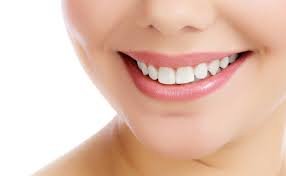
Cosmetic dentistry enhances the appearance of teeth through treatments that modify color, shape, and overall balance. Procedures such as whitening, bonding, veneers, crowns, and implants use durable materials and targeted techniques to change the visible structure of a tooth. Because each service focuses on specific cosmetic goals, these treatments provide distinct ways to refine tooth symmetry or restore features affected by damage or discoloration. As a result, cosmetic options offer multiple ways to enhance a smile’s appearance.
Cosmetic Dentistry Benefits
Cosmetic dentistry includes techniques that address discoloration and uneven tooth edges. While the purpose of each treatment differs, many rely on materials that mimic natural enamel so the updated surface blends with surrounding teeth. Bonded composites, porcelain ceramics, and whitening agents each alter appearance and are selected based on the type of change needed. Because these techniques work directly on visible tooth surfaces, they support noticeable aesthetic improvements that remain stable under regular chewing forces.
Color correction is one of the most common cosmetic changes, and whitening treatments create brighter enamel in a single office visit or through a supervised at-home system. These products target surface discoloration and lighten deeper stains, providing a more apparent contrast between the tooth surface and the gumline. When combined with other cosmetic services, whitening helps unify the smile’s appearance by establishing a consistent shade. This approach also prepares the foundation for future procedures that depend on color matching.
Restore Teeth Structure
Crowns alter both the form and shade of a damaged tooth, and they fully cover the visible structure above the gumline. Modern ceramics can replicate natural translucency and support cosmetic goals when a tooth has fractures, large fillings, or extensive wear. Once placed, a crown provides a uniform shape and color, helping align the tooth’s appearance with neighboring structures.
Bonding uses composite resin to correct minor defects, such as chips or minor spacing. Because the material adheres directly to the enamel, the procedure may be completed in one visit. The selected shade blends with adjacent teeth, and the polished surface mimics the teeth’s natural gloss. Bonding helps reshape individual teeth, creating a smile with smoother lines and more consistent dimensions.
Veneers create substantial cosmetic change by covering the front surface of a tooth with a thin ceramic shell. The material maintains stable color and resists surface staining, and each veneer is crafted to adjust shape and alignment. Veneers also offer a durable cosmetic solution when discoloration does not respond to whitening.
Replace Missing Teeth
Dental implants replace missing teeth with a titanium post and a restoration that looks and functions like a natural tooth. The implant integrates with the surrounding bone, creating a stable foundation for a crown placed above the gumline. This stability supports both function and aesthetics, since the crown can match surrounding teeth in shape and shade. Implants also maintain spacing and prevent visible gaps, which influences the overall proportions of the smile.
When comparing implants and bridges, implants replace individual teeth without altering nearby tooth surfaces. Bridges rely on crowned support teeth, and they span the space left by a missing tooth. Each option restores the visible shape of the missing tooth, but the choice between these treatments depends on oral health needs and the condition of the neighboring teeth.
Whitening Treatment Options
In-office whitening uses concentrated materials applied under professional supervision, and the process brightens enamel in a controlled setting. The gradual change in shade throughout the session allows the clinician to monitor progress and protect surrounding tissues. Because the material reaches into deeper discoloration, the final result provides a noticeable improvement in brightness.
Professional at-home kits use custom trays that hold whitening gel against the enamel for a prescribed length of time. These systems maintain consistent contact between the gel and the tooth surface and produce gradual shade changes over several applications. The flexibility of this method allows whitening to progress at a steady pace while achieving cosmetic results similar to those of in-office care. At-home kits also make it easier to perform periodic touch-ups if color shifts over time.
Explore Your Cosmetic Dentistry Options
Cosmetic treatments offer several ways to update the appearance of teeth by refining color and overall alignment. Because these procedures use materials that closely resemble natural enamel, the results can blend with surrounding teeth to create a balanced look. Whitening, bonding, veneers, crowns, and implants each address different aesthetic concerns, while crowns and bridges also support long-term stability. To learn more about your cosmetic dentistry options, consult a dental provider near you.
- Understanding the Complications of Diabetes
- How OBGYNs Support Women Through Various Life Stages
- The Impact of Pain Clinics on Patient Recovery and Quality of Life
- Understanding the Differences Between Cosmetic and Reconstructive Plastic Surgery
- Understanding the Role of a Physical Therapist in Injury Rehabilitation



Leave a Reply