


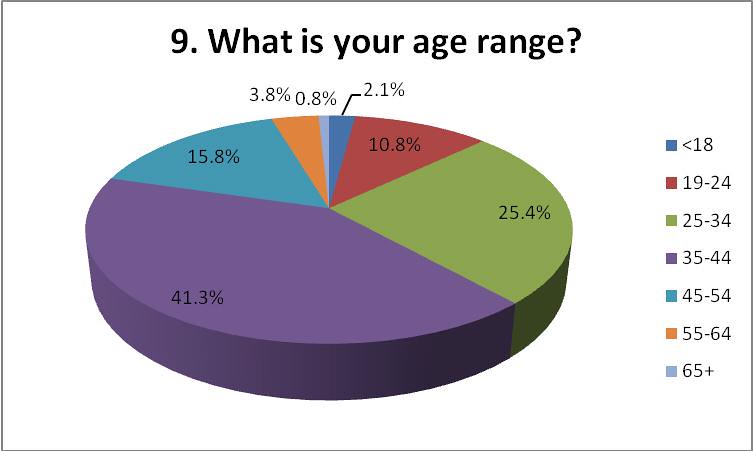
Sexually transmitted diseases (STDs) affect people of all ages, emphasizing the need for regular STD screenings. Different age groups may face varying risks and recommendations for screening. By understanding these guidelines, individuals can make informed decisions about their sexual. By understanding these guidelines, individuals can make informed decisions about their sexual health and wellness
Adolescents and Young Adults (13–24)
Adolescents and young adults are at increased risk for certain STDs due to higher rates of sexual activity and changes in sexual behavior. STD Screening guidelines for this age range often focus on common infections like chlamydia and gonorrhea.
- Chlamydia and Gonorrhea: Women under 25 who are sexually active should get screened for both annually. Regular testing for young men in high-risk groups, such as those with multiple partners, may also be recommended.
- HIV: Routine HIV testing is encouraged for everyone aged 13–64 as part of regular healthcare, with a particular focus on those engaging in high-risk activities.
Healthcare providers may also discuss vaccination options for preventable conditions such as human papillomavirus (HPV), which can lower risks linked to some STDs.
Adults (25–64)
Adults in this age group are encouraged to maintain regular STD screenings, particularly if they are sexually active with new or multiple partners, or engaging in behaviors that increase risk.
- Chlamydia and Gonorrhea: Testing is necessary for women under 25 or adults with new sexual partners or multiple partners.
- Syphilis, Hepatitis B, and Hepatitis C: These tests are generally advised based on personal risk, which can include unprotected intercourse or prior infections.
Healthcare providers may adjust recommendations based on specific risk factors or pre-existing conditions.
Older Adults (65+)
Older adults are becoming a focus for STD screening, as many continue to lead active sexual lives. This population faces unique risk factors. These include thinning tissues and weakened immune systems, which can increase vulnerability to certain infections. HIV testing may still be necessary for individuals who were not tested earlier in life. It is also beneficial for those with new risk factors. Older adults, particularly baby boomers, are encouraged to undergo a one-time hepatitis C test. This is because this group experienced higher transmission rates in previous decades. These conversations help address ongoing screening needs based on sexual activity and partner history.
Regular Screenings and Insurance Coverage
Routine STD screenings help to identify infections in their early stages, which reduces the risk of complications and prevents onward transmission. Testing also supports informed medical care and better overall health. Maintaining open communication with healthcare providers helps screenings align with lifestyle changes or new risk factors.
Many insurance plans cover STD tests as part of preventive services. This accessibility helps reduce potential financial barriers to taking the test. Public health clinics and community health organizations also offer affordable or free screenings for individuals without insurance. Understanding what is covered and where to access care is key to keeping STD tests a regular part of healthcare routines.
Prioritize STD Screening
STD screening is a part of maintaining sexual health at any age. The appropriate tests and frequency vary with age and personal risk factors, so consulting with a healthcare provider is critical. Stay informed about screening recommendations and options for access to care. To take the next step, schedule a consultation with a qualified healthcare provider today.
- Braces for Adults and What You Need to Know
- Benefits of Invisible Braces for Teens and Adults
- Understanding the Link Between Behavioral Studies and Mental Health Support Services
- Key Characteristics That Support Long-Term Success in Nursing
- How Continued Nursing Education Supports Safer and More Effective Healthcare



Leave a Reply